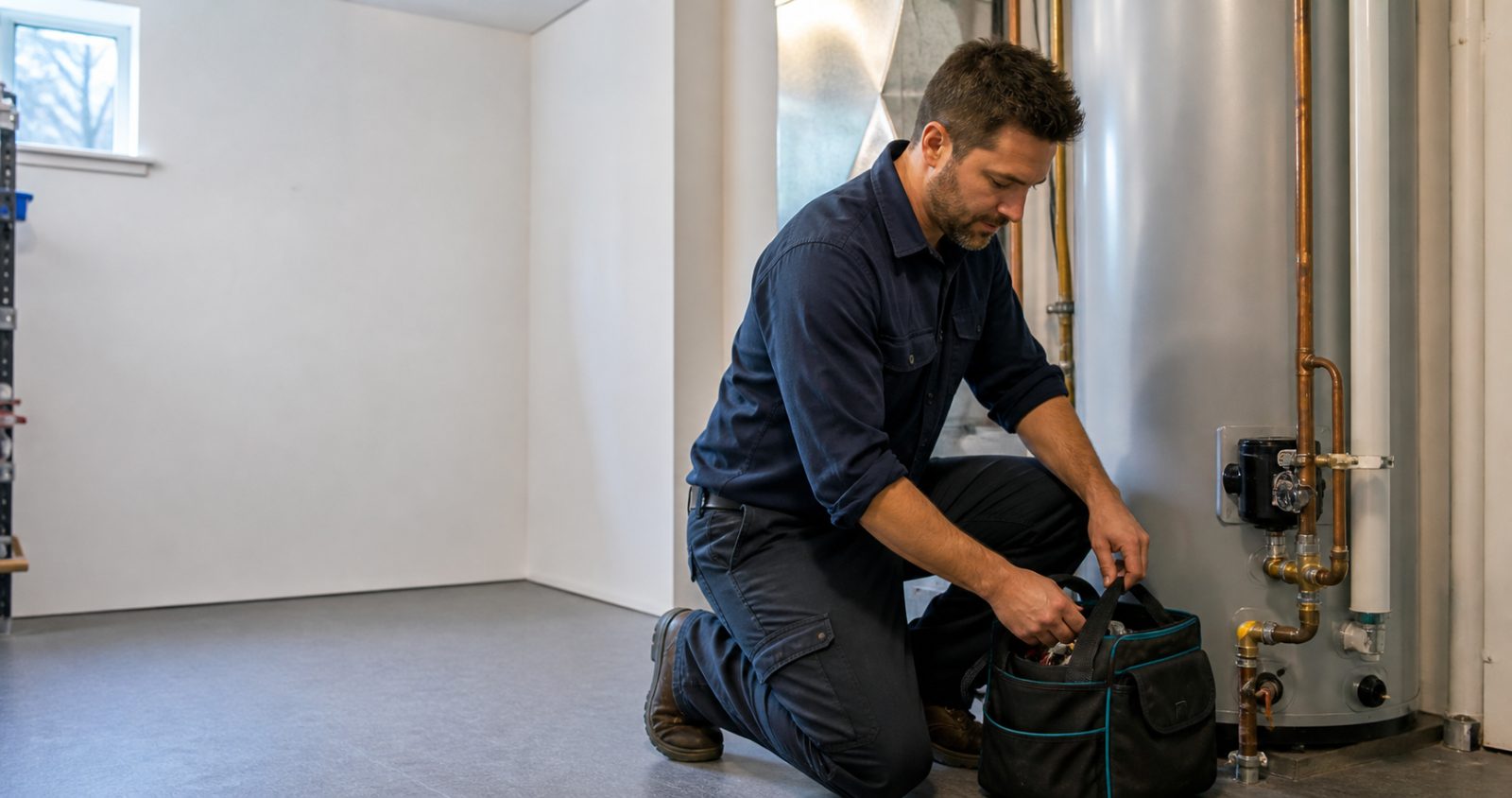
Reliable installation for local homes
Hot Water Tank Installation
Plan your new hot water tank with confidence. Get a Free Estimate
Reliable installation for local homes
Plan your new hot water tank with confidence. Get a Free Estimate
A new hot water tank should provide dependable hot water without creating unnecessary complications. We install residential hot water tanks for homeowners in Courtenay and throughout the Comox Valley, with attention to household demand, available space, existing plumbing, and the condition of the current setup.
If you are replacing an older unit or installing a tank as part of a renovation, we can help you understand the practical choices before the work begins. Our goal is to leave you with a properly installed system that suits how your household actually uses hot water.
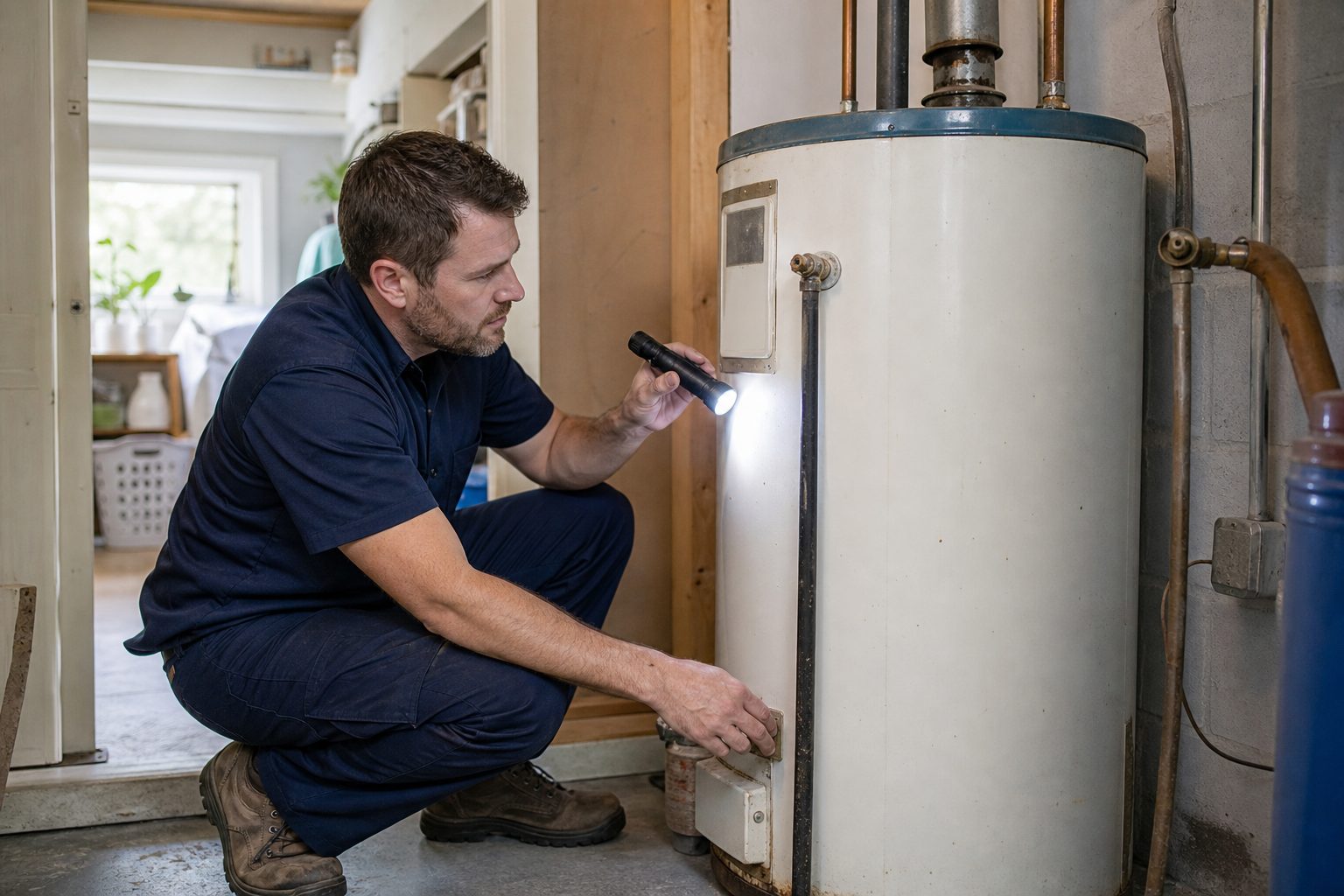
Hot water tank installation involves more than simply putting a new unit where the old one sat. We review the existing setup, confirm the new tank is appropriate for the household, check connection points, and identify anything that may need attention before installation. Access, drainage, venting or electrical requirements, shutoffs, and the surrounding plumbing can all affect the scope of the job. We explain those details in plain language so you understand what is being done and why.
When an existing tank is being replaced, we review its size, location, connections, and service history before recommending a new unit. A like-for-like replacement can be straightforward, but older installations sometimes need updates to surrounding components. We identify those items before proceeding whenever possible. The aim is a clean installation that works with the existing home and gives you dependable hot water. We also discuss any practical differences between the old and new equipment so you know what to expect.
Tank size should reflect how many people live in the home and how hot water is typically used. A household with multiple showers, laundry loads, and regular dishwashing may have different needs from a smaller home with lighter demand. We look at the existing tank and household usage before suggesting a replacement size. The goal is to provide enough capacity without automatically moving to equipment that is larger than necessary.
Older tanks can be surrounded by valves, fittings, and piping that have been in place for many years. During installation planning, we inspect the visible connections and shutoff arrangement for signs that additional work may be sensible. Addressing worn or poorly functioning components during the installation can help create a more serviceable setup and reduce surprises later.
A replacement project usually includes disconnecting and removing the existing tank so the new equipment can be installed safely. Access can affect the amount of work involved, especially in tight utility rooms, crawlspace-adjacent areas, or homes with stairs. We take care around nearby walls, flooring, and fixtures while moving equipment through the home.
| Service | Estimated Cost | Average |
|---|---|---|
| Standard tank installation | $1,500–$2,800 | Around $2,100 |
| Installation with plumbing updates | $1,900–$3,500 | Around $2,600 |
| Complex access or system changes | $2,500–$4,500+ | Varies by project |
These are general planning ranges only, not quotes. Equipment type, tank size, access, existing plumbing, required upgrades, travel, permits, and site conditions can change the final price. [CTA:estimate]
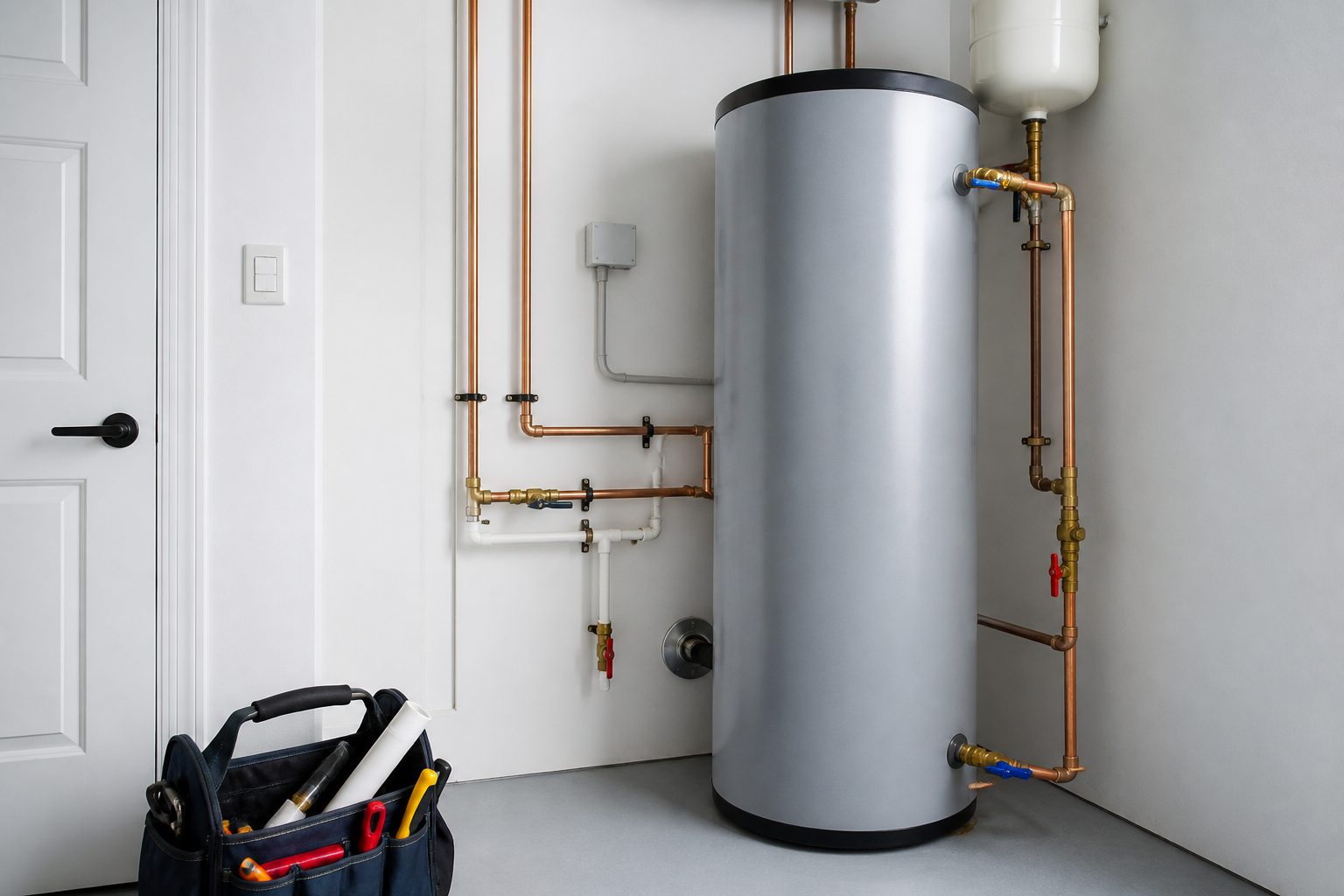
We consider household demand and the existing setup instead of assuming every home needs the same tank.
We review access and surrounding plumbing before installation so potential complications can be identified early.
We explain the proposed work in straightforward language and keep the focus on a reliable installation.
Our team works across Courtenay and the wider Comox Valley, including rural and coastal properties.
Need a new tank installed in your Comox Valley home? Tell us about your current setup. [CTA:estimate]
Free — no obligations
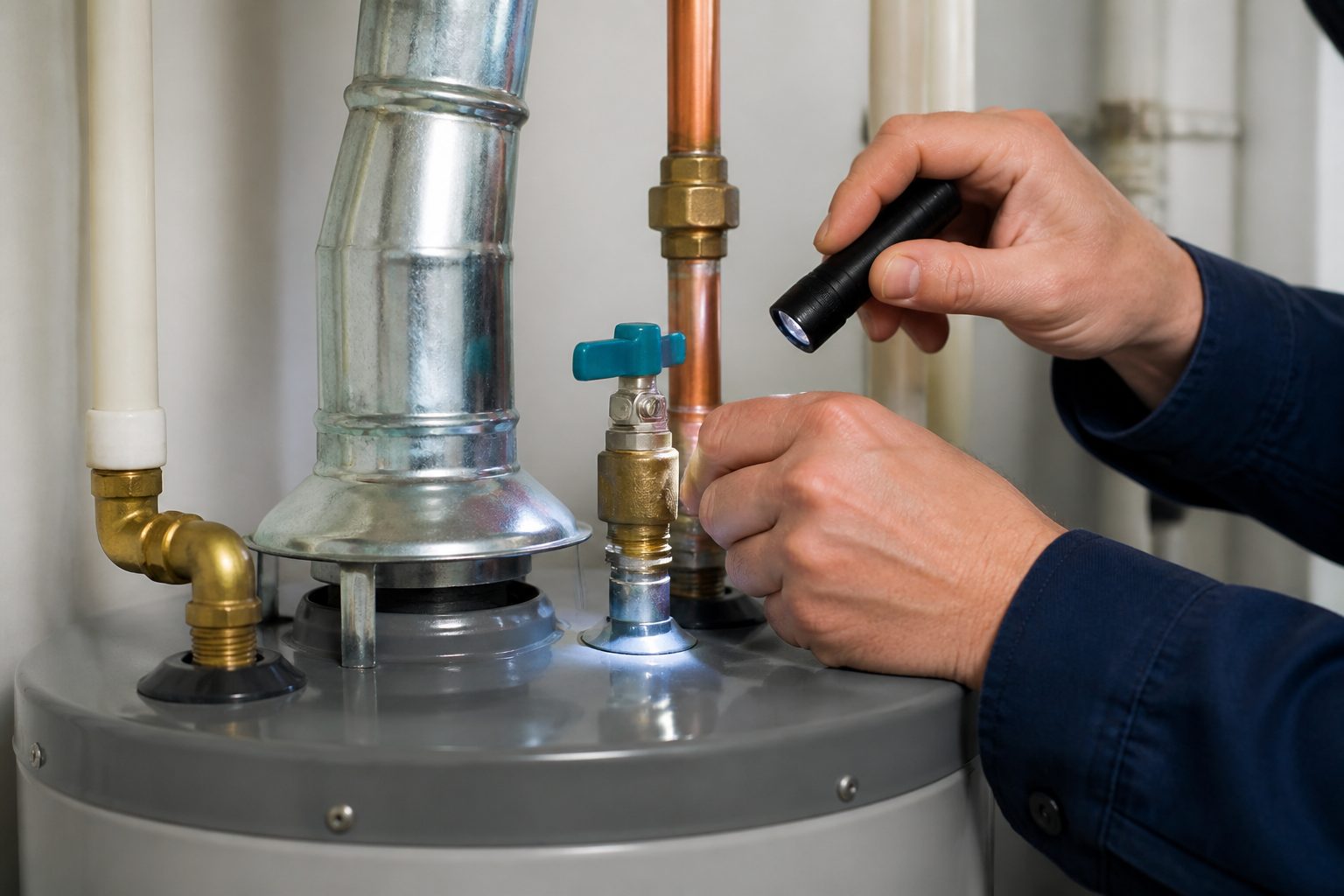
We gather information about the current tank, household needs, access, and visible plumbing connections.
We discuss tank size, replacement requirements, and any surrounding work that appears necessary.
We protect the surrounding space and arrange safe access for removing the existing tank and bringing in the new one.
The replacement tank is positioned and connected according to the requirements of the home and equipment.
We review the system, check visible connections, and explain the finished setup before wrapping up.